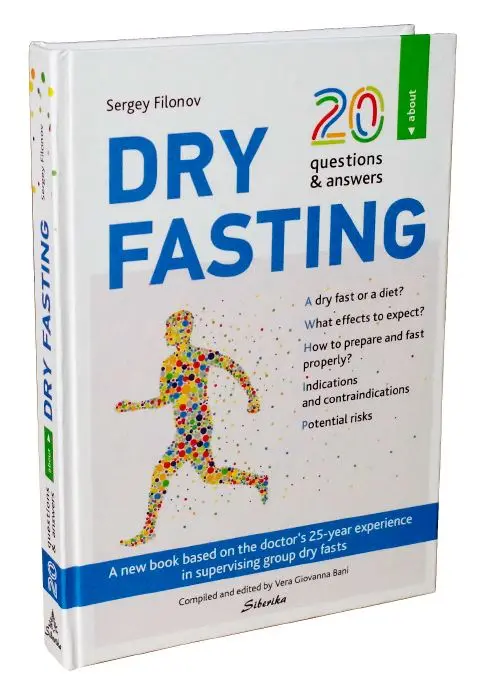
I sincerely recommend you buy Dr. Filonov’s ebook: «20 Questions and Answers about Dry Fasting» here: https://dryfasting.info – you’ll find all the information you need about dry fasting. I did the same and I don’t regret it.
Below you’ll find more information about this book (source: dryfasting.info)
Pioneering research on the healing properties of dry fasting began in Russia in the 1980s. At that time, there were already groups of doctors in the country who successfully used water fasting in their practice. They were all students of Professor Yuri Nikolayev, the founder of the Soviet school of therapeutic fasting. Psychiatrist Yuri Nikolayev (1905–1998) discovered fasting as a treatment method in the 1950s, when he worked in a hospital with patients suffering from schizophrenia. One day, contrary to accepted practice, he did not resort to force‑feeding patients who refused to eat, and found that refusing food had a clearly positive effect on the symptoms of the disease. In 1960, Yuri Nikolayev defended his doctoral dissertation on the effects of water fasting in patients with schizophrenia and continued to develop this method, applying it in the treatment of other diseases. Thanks to his enthusiasm and positive results, he managed to inspire many doctors with this new method and gain the support of the USSR Ministry of Health. The recognition of water fasting as a treatment method by such a conservative institution as the Ministry of Health meant that this method reached a new level of development. Several hospitals in various Soviet cities opened therapeutic fasting departments.
Since 1969, the Ministry of Health periodically began issuing guidelines for doctors on the use of fasting in the treatment of neuropsychiatric diseases, arterial hypertension, bronchial asthma and diseases of the digestive system. Doctors involved in medical research started publishing scientific papers and defending candidate and doctoral theses on this subject.
From 1960 to 2010, a total of 84 doctoral theses on therapeutic fasting were defended in the following areas:
- pulmonology – 19
- cardiology – 19
- neurology and psychiatry – 18
- gastroenterology – 10
- physiology and pathophysiology – 10
- hematology – 3
- dermatology – 2
- endocrinology – 1
Among all these theses, two were devoted to dry fasting. The first was the work of Valery Zakirov (1990), in which he used fasting as a method of treating patients with bronchial asthma in complicated cases, when there were concomitant pathologies of the internal organs. The author compared the effectiveness of drug treatment in such patients (225 people) with the effectiveness of water fasting (120 people) and a combination of dry and water fasting (30 people). The dry fast lasted 3 days. Based on the results of assessing the patients’ condition before and after treatment, the author drew the following conclusions: fasting is more effective in treating bronchial asthma than traditional medications; a dry 3‑day fast is well tolerated by patients and can shorten the overall duration of the disease when a combination of dry and water fasting is used (more).
The author of the second Ph.D. thesis on the subject of dry fasting is . His work was commissioned by one of the military departments, which was interested in the problem of human survival in the absence of food and drink. Igor Khoroshilov studied the condition of a group of volunteers who conducted a 3‑day dry fast in a pressure chamber, which served to create a controlled external environment. Before and after fasting, the members of the group evaluated the state of the cardiovascular, digestive, and urinary systems, investigated the state of protein, carbohydrate, lipid, and water‑mineral metabolism, and studied changes in the neurohumoral regulation of the body. Based on the data, the researchers concluded that none of the bodily systems suffer from a 3‑day dry fast.
The author of the second doctoral thesis on dry fasting is Igor Khoroshilov (1994). His work was commissioned by one of the military departments, which was interested in the problem of human survival in the absence of food and drink. Igor Khoroshilov studied the condition of a group of volunteers who underwent a 3‑day dry fast in a hyperbaric chamber, which served to create a controlled external environment. Before and after the fast, the group members assessed the state of the cardiovascular, digestive, and urinary systems, examined protein, carbohydrate, lipid, and water‑mineral metabolism, and studied changes in the body’s neurohumoral regulation.
Based on the data, the researchers concluded that none of the body’s systems suffers as a result of a 3‑day dry fast.
Note! The conclusion about the safety of 3‑day dry fasts does not mean that you cannot harm yourself while doing such a fast. In the interview that Dr. Khoroshilov kindly granted us in 2019, he noted that during fasting itself (both dry and water), serious health problems occur extremely rarely, but they can appear after the fast, during improper re‑feeding.
Dr. Khoroshilov was not satisfied with the conclusion that dry fasting is harmless; he was interested in whether it is beneficial. He obtained an affirmative answer to this question in the course of the same work carried out in clinical settings, where he subjected patients already undergoing a course of water fasting to a short dry fast (1–3 days). At the end of his doctoral dissertation there is a list of diseases for which the author recommends combined fasting (dry followed by water fasting). (see details)
Today you can often hear that one day of dry fasting is as effective as three days of water fasting, but no one gives the original source of this information. We are pleased to inform you that the first person to make this statement was Dr. Khoroshilov in 1994.
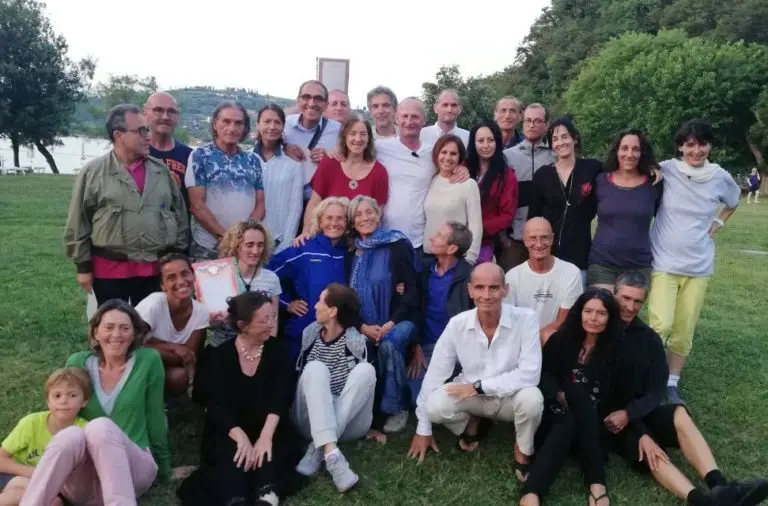
Vera Bani and Igor Khoroshilov
The works of Zakhirov and Khoroshilov, which proved the safety and effectiveness of dry fasting, formed the scientific basis that allowed practitioners to use this method with greater confidence in treating patients. A major contribution to its development was made by L. A. Schennikov, Vice President Lavrova, and S. I. Filonov, who independently began experimenting with fasting without water in the 1990s, gradually increasing the duration of fasts and expanding the list of indications and contraindications. At that time, the Ministry of Health did not yet provide doctors with official recommendations for the use of dry fasting, so the enthusiasts worked with patients largely on their own, at their own risk, much like naturopaths. The result of the work of these doctors was the huge body of experience they accumulated in conducting dry fasts and the methods they developed. Each of them had their own approach, slightly different from the others. The duration of the fast depended on the patient’s condition and ranged from 7 to 11 days.
The first doctor to receive official recognition for his method was L. A. Schennikov. In 1993 he obtained a patent for a Method of body rehabilitation involving a dry fast lasting from 7 to 11 days.
The aim of the method is «to cleanse the body of products of incomplete metabolism, restore immune status, increase resistance to external factors, eliminate the need for drug treatment, prevent and eliminate disorders in the human body».
Before the patent was granted, Schennikov’s method was tested by a state expert commission on a group of 20 patients. This group included people aged 20 to 63 who suffered from hypertension, osteochondrosis, cardiovascular diseases, lung cancer, bronchial asthma, kidney stone disease, dyspepsia, stomach ulcer, varicose veins, metabolic disorders, chronic ENT diseases, weakening and loss of immunoprotective processes, uterine fibroids.
At the conclusion of this experiment, the expert commission confirmed a clearly positive effect of dry fasting on the health of 18 out of 20 patients. The commission recommended the use of Schennikov’s method to improve the health of a wide range of people. Finally, in 2005, the Russian Ministry of Health included the method of dry fasting in its Treatment Guidelines. According to the Ministry’s recommendations, the use of this method is limited to 3 days.
About the author
Sixty years ago, Soviet Siberia was a remarkable combination of an ancient, archaic world and the latest technologies that claimed international superiority. This was especially true for medicine, which followed advanced treatment standards in large cities and was almost absent in remote, oppressed villages, where Old Believers treated one another with unique methods that city dwellers had never heard of. It is at the junction of worlds and eras that talent is often born and revealed, because a calm atmosphere of balanced existence is destructive for it.
Sergey Filonov was born into a family of doctors in a small town lost on the slopes of the Altai Mountains in Western Siberia. There, in Altai, the belief is still alive that somewhere nearby there is an entrance to the mystical land of Shambala, a magical land of bliss that has been unsuccessfully sought for many centuries. The world of medicine seemed just as mysterious and promised just as much joy of discovery to young Sergey Filonov, a student at the Altai Medical Institute. Close contact with the land, with the traditions of the Siberian peoples, and with the healing practices of the Old Believers gave him an intuitive sense that a person is in himself a natural pharmacy, that he possesses everything necessary to treat any disease; all that was needed was to make these natural remedies work for the benefit of the body, with the help of effort, patience, and strength of will. Looking back, it seems that Sergey Filonov came to the idea of using dry fasting as a result of a series of chance encounters with various people, such as patients who had cured themselves through fasting, or renowned medical experts of that time who were enthusiastic about fasting and did a great deal to encourage its adoption by official medicine.
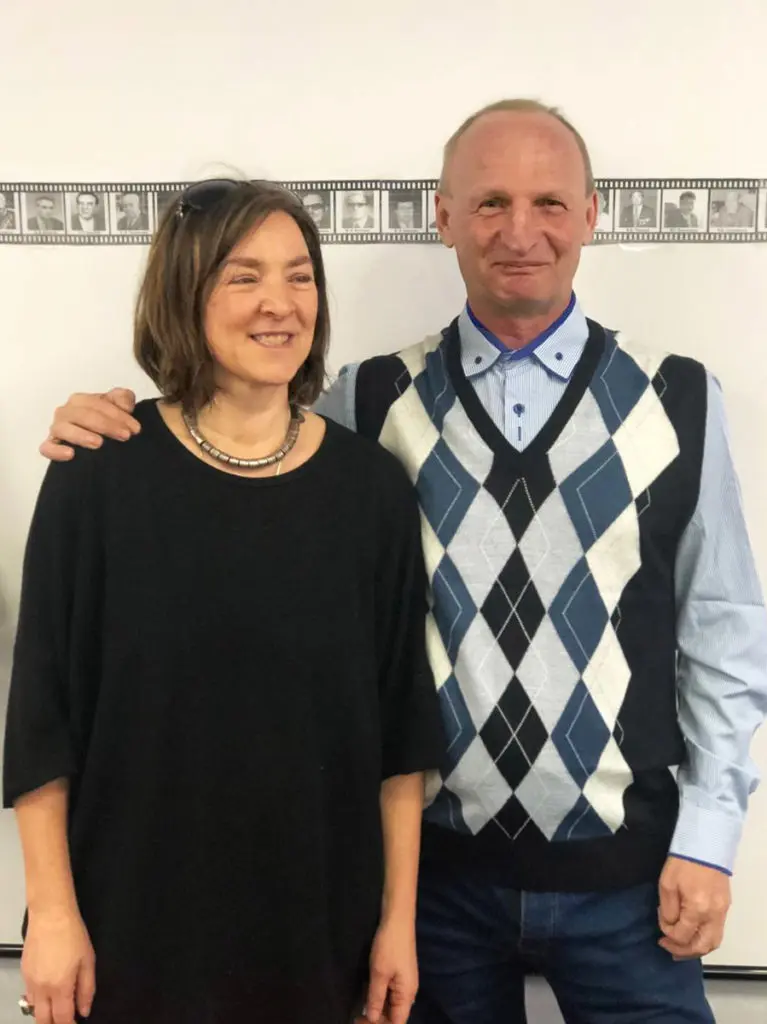
Sergey Filonov
Another factor that influenced him was his work at the Goryachinsk health resort on the shores of Lake Baikal, where Sergey and his colleagues opened a therapeutic center in 1990. In those years, despite the excessive regulation typical of all large institutions, Soviet medicine sometimes reacted quite quickly to new treatment methods and trends. Therefore, doctors interested in such practices could open such departments in state medical institutions throughout the country. Fasting yielded good results.
It made it possible to overcome asthma, hypertension, arthritis, and was successfully used in the treatment of schizophrenia. But Sergey was not satisfied: sometimes the patient’s disease would recede only for a time, and after the fast some of the symptoms would return. How could the therapeutic effect of water fasting be enhanced?
Sergey’s first longer dry fast of five days happened after he fell into an ice hole while winter fishing and subsequently developed acute frontal sinusitis (inflammation of the frontal sinus). Sergey was no novice when it came to water fasting: he himself fasted and treated patients with sinusitis and frontal sinusitis using water fasting, but the therapeutic effect was only achieved after the tenth day. This time he decided to try dry fasting on himself. The terrible headaches accompanying the inflammation disappeared on the fifth day. What struck Sergey most was the short time needed to achieve a therapeutic effect.
It was psychologically difficult for him to start using dry fasting with patients. During his medical studies, Sergey had been taught that without water a person can live only 3–5 days, after which inevitable death awaits…
His first patient, T., who underwent dry fasting, suffered from chronic prostatitis. T. started with a 14‑day water fast. During the fast the disease seemed to recede, but then it returned.
Sergey’s reasoning was as follows: prostatitis is essentially an infectious process; any infectious agents like to multiply in water, and every infectious process causes edema. If there is no water, there will be no edema.
T. took his treatment very seriously and accepted the arguments and justification for dry fasting. He went through five days of dry fasting followed by five days of water fasting. This fast had a significantly stronger effect than the previous 14‑day water fast. Exactly one year later, T. came back for a consultation and said that he would no longer do water fasts. He also stated that he liked the effect of dry fasting very much and that throughout that year there had been no flare‑ups. This time he underwent a seven‑day dry fast. Later T. often called and repeatedly said that he was very satisfied with the results.
After that, Sergey and his colleagues gradually began to introduce dry fasts lasting from 3 to 5 days for patients at the Goryachinsk center. One of the fasts lasted as long as 7 days, and the effect was excellent. But at that point Sergey was, of course, still afraid to conduct dry fasts with patients for longer than seven days.
Sergey’s meeting with one of the founders of the Russian school of dry fasting, Leonid Schennikov, which took place in 1994 at a therapeutic fasting conference in the Republic of Buryatia, became the impetus for extending the duration of the fasts. Leonid was a remarkable person, a traditional healer with vast experience in dry fasting practice, whose patients fasted for 11 days. Meeting Schennikov and interacting with his patients inspired Sergey. After returning to Altai, he himself undertook a ten‑day fast, spending it on horseback rather than in bed. It was then that he finally realized that long dry fasts can only be carried out in nature, preferably in the mountains and near mountain rivers. Cities and hospitals are hardly suitable for this process.
«That was when I decided to try long fasts with patients. My first patient who fasted for 9 days suffered from rheumatoid arthritis. The result of the fast was excellent. Then, by trial and error, I came to the conclusion that the maximum therapeutic effect of dry fasting occurs precisely on the 9th day. In my books I also mention a period of 10 or 11 days, but practice shows that the peak falls on the 9th day. Nevertheless, I urge my patients to choose a fast lasting 10–11 days, because the crisis can start on the 9th day and last for a day or two. During this crisis, the maximum therapeutic effect occurs, and if you do not get through it, you cannot end the fast.
The unique experience that Sergey Filonov has gained over 25 years of working with patients he shares in his books. These books are written more for all fasting enthusiasts who may want to try his method than for fasting experts. Everyone must remember: dry fasting is a powerful tool that can be dangerous in unskilled hands. If you decide to use it, read the books carefully to the end and do not forget to consult a doctor.
About the publisher and editor
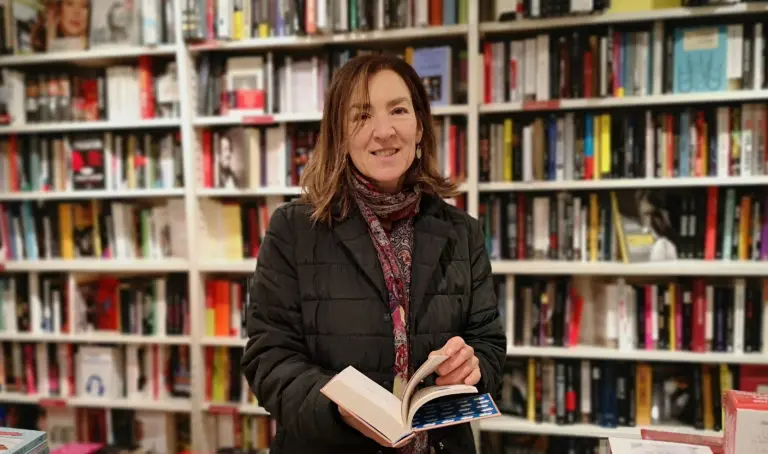
Vera Bani
Vera Giovanna Bani was born in 1964 in the town of Treviso in northern Italy and, after completing her higher education in Russian language and literature, moved to Moscow, tying her life to Russian culture for many years. Immediately after moving, she was inspired to translate books by Russian writers who had captivated her, even if the author was little known in Russia itself or forgotten by his compatriots. Having come across such a book, Vera would set about looking for Italian publishers, which sometimes took longer than the actual translation.
Among other things, Vera introduced Italian readers to six books by Russian writer Vadim Zeland on Transurfing, a philosophical doctrine of parallel realities that anyone can apply in their life. This teaching fascinated Vera, and she managed to find an interested publisher. Thanks to her excellent translations, the idea of Transurfing became popular throughout Italy: the teaching quickly gained a crowd of fans, trainings were launched, and even imitators appeared. The same happened with «400 Anni di Inganni» by N. Fomenko and G. Nosovsky, a book about the mysteries hidden by modern chronology. The translator’s enthusiasm for the subject carried over into the translation itself, and in such cases the results of the work always bear the noble imprint of the translator’s personality.
Both the Soviet Union and Russia still conceal an entire stratum of outstanding writers and thinkers unfamiliar to Western readers. Few of these authors manage to escape oblivion – major publishers prefer not to risk working with unknown authors. To give them a chance, Vera and like‑minded people launched an independent small publishing house – the Siberika project.
The first author whose books were translated into Italian by this publishing house was Dr. Sergey Filonov. He is a physician with unique experience in leading groups of patients through dry fasting; he wrote two books on this subject – in 2008 and 2015. They were published by a small Siberian press and remained almost unnoticed by the Russian general public: in those years the country was busy building market relations, interest in the economy was growing, and healthy lifestyles were fading into the background.
Vera believed in Sergey Filonov, in the value of his books, and began the difficult work of combining the two works into one, correcting errors in the text, fact‑checking, and translating into Italian. The result of this work was a 680‑page monograph «Digiuno secco. Gli ultimi sviluppi della digiunoterapia in Russia», published in 2017. The most gratifying thing that happened afterwards was the recognition from Italian readers, who wrote letters, expressed their thanks, went to Altai to fast with Sergey, and took part in group dry fasting practices that Sergey began to conduct not only in Altai but also in Europe from 2019. Initially, these practices were held thanks to the interest of fasting enthusiasts from Italy, and later patients from other countries began to join them.
In response to the wave of interest that followed the publication of the monograph, a new book on dry fasting was created within the Siberika project, presenting the basic principles of this method in the form of questions and answers. At the end of 2019 it was published in English under the title «Sergey Filonov, 20 Questions and Answers about Dry Fasting».
Presenting the material in question‑and‑answer form is intended to make it somewhat easier for readers to absorb, without omitting any essential aspects. The new book contained all the key material on the subject, compressed into 282 pages. The aim of the book is to provide everyone interested with comprehensive practical knowledge about conducting dry fasts on their own. It contains detailed instructions on preparation, the fasting process, and re‑feeding, as well as detailed descriptions of the various fasting protocols used.
The Siberika project is grateful to two exceptional translators, Yana Solominskaya and Francesca Morgante, thanks to whom this book came into being.
Afterword to the first group dry fasting practice in Europe conducted by Dr. Filonov
(BioenergyResort, Salinera Strunjan, Slovenia, 29 June 2019 – 13 July 2019)
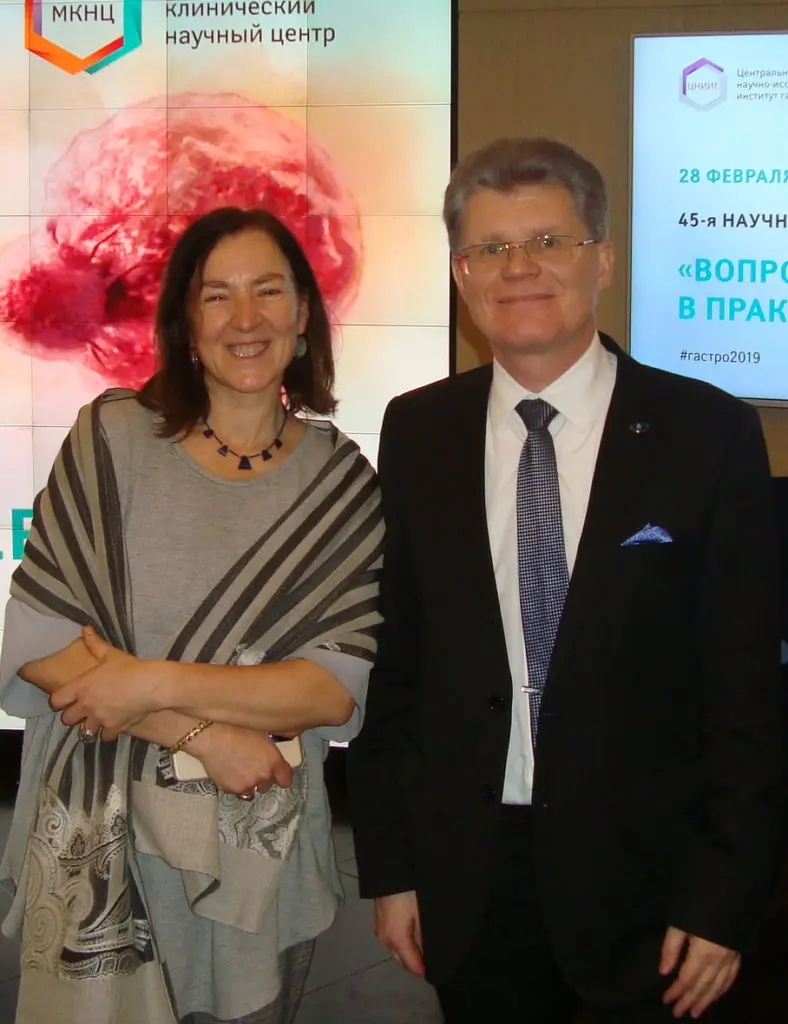
On 13 July in Strunjan (Slovenia, near the Italian border), a 14‑day dry fasting practice ended that changed the lives of its participants in many ways.
During the first week, the weather was hot and unsuitable for dry fasting, which greatly worried us (the organizers). However, as it turned out, only we were unprepared for the scorching sun, while the fasting enthusiasts from Italy, France, and Switzerland, who formed the majority of our group, felt great. The following days were more pleasant, with moderate and windy weather, which made it easier for us to break the fast and start eating again.
Dr. Filonov, who usually works in the much cooler conditions of the Altai Mountains, repeatedly expressed his admiration for the endurance of our group members. He said that in such heat, Russian patients practicing fasting would hardly be able to refrain from eating and drinking for 9 days, and overall he was pleasantly surprised by the perseverance, determination, and curiosity of all participants.
The Salinera resort, with its large park, apartments, and hotel, almost fully met our needs. I say «almost fully» because the apartments were located on a slope overlooking the park, and climbing the stairs several times a day to the apartment where the massages took place, or to the house after resting in the garden, was quite exhausting for those fasting, especially on the most intense days of the practice. Perhaps this was the biggest drawback, which can be avoided in the future by choosing hotel rooms located lower down the hill and easily accessible from the beach and park.
Dr. Filonov’s method of cleansing, restoring the function, and healing the body combines dry fasting with daily procedures that accelerate detoxification. The most important of these procedures is trigger‑point massage and honey massage of the abdomen, back, arms, legs, neck, head, and oral cavity. Although this massage is not relaxing at all, everyone was satisfied, and nobody ever complained about the sometimes painful manipulations performed by the experienced hands of the powerful Andrey, Sergey Filonov’s nephew, a doctor himself, and his daughters Nastya and Olga. From 9:00 a.m. to 7:30 p.m. there was nothing but work in the massage rooms: no meditative music, no aromas or incense, only constant interaction in four languages (Russian, Italian, French, and English), necessary for instructing and communicating with patients, and the inevitable smells of circulating toxins leaving the body. Not very pleasant, but very effective.
Thanks to this holistic approach, many small miracles were witnessed even in the short time of the practice: after a 7‑day fast someone discovered that a previously palpable lipoma under the armpit had disappeared, someone else noticed that an inguinal hernia had gone back in, yet another participant, who for several months had had very limited mobility, started walking normally again, amazed that he could walk a 14‑km route from Portorož to Strunjan and back. In one patient, tinnitus significantly decreased; in others, a reduction in abdominal swelling and discomfort in the digestive tract was observed… All this was a small, rapid improvement as the body’s reaction to fasting. The maximum effect, as the doctor claims, will be noticeable three weeks after the end of the practice.
The fasting patients also enthusiastically embraced other procedures – dowsing in icy water and hirudotherapy. Even the most prejudiced people quickly made friends with leeches – little creatures that have served humans for hundreds of years and have been almost forgotten by medicine in recent decades. After the procedures almost all our patients decided to take their leeches home, which gave us great pleasure. We ourselves released the rest into one of the canals in the town of Treviso, wishing them a long life and thanking them for their help.
We did our best to make this first European dry fasting practice with Dr. Filonov’s method unforgettable, and I hope we succeeded. Behind the scenes there were many stressful situations, which led to a hypertensive crisis that greatly limited me in the final days (I had to miss some evening sessions), but overall I would say that everyone was satisfied with our practice.
I express my deep gratitude to the staff of the Salinera resort, who sometimes had to put up with us; my colleague and guardian angel Elena Kuzmich, who shared with me the entire workload and without whom I would never have been able to complete the practice; to Eric, Maria Teresa, Angelica, Fabrizio, Italo, and Paolo, who lent us their cars, tools, and time; to all the participants for the dedication and ability to cooperate that they showed; and of course to the wonderful team of Dr. Filonov, who managed to charm and earn the respect of our entire group and those who joined us later. We hope that next year we will be able to repeat this adventure.
I wish everyone a happy summer
Vera Giovanni Bani
20 July 2019
Our first group dry fasting practice in Slovenia in 2019 (opinion by co‑organizer Elena Kuzmich)
If, before going to Slovenia, someone had asked the future participants of our group dry fasting practice why they intended to expose their bodies to such stress, they would surely have replied: «It will be a new, interesting experience». Basically like any participant in an event that not everyone is cut out for, and which puts Spirit and Body to a serious test. Just like a marathon or mountain climbing in rarefied air.
Before heading to Slovenia, I stopped at Saint Nicholas the Wonderworker, who lies in a small church in the town of Bari in southern Italy. I sat by his relics for a long time and asked that the project of the Russian school of fasting on European soil would be successful… First of all, because this was our first practice in Europe. And second, because among the expected participants in this group practice, which was to be conducted under the supervision of dry fasting expert Sergey Filonov, there were patients with very serious pathologies. All thirty participants from four countries, as well as we, the organizers, had to combine our strength, and even ask the Higher Powers for a little more, so that from all our aspirations to learn and teach, to support and be supported, an integrated whole would be born: to receive help and to give and receive.
And… it worked!
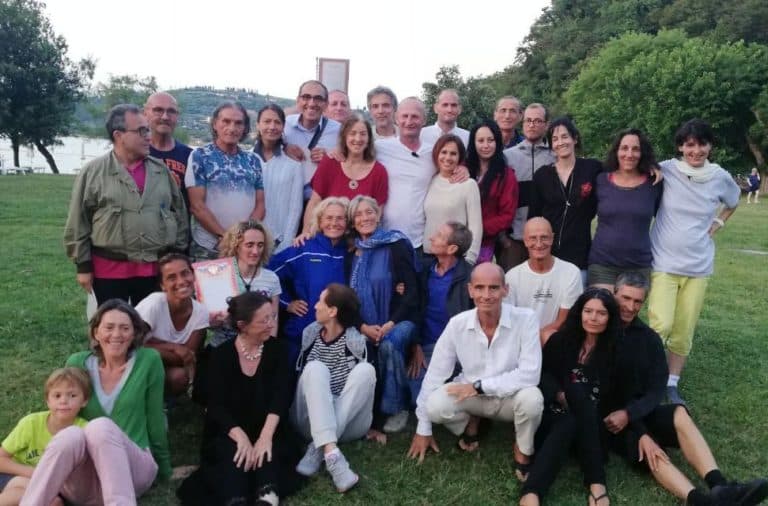
Everyone, including the participants, the organizers, and those who at the last moment found out about the rare opportunity to speak with the dry fasting guru and just came to ask for advice, received everything they could have hoped for. Personally, I spent two weeks with two professionals, Sergey Filonov (Project Spirit) and Vera Bani (Project Force), as well as all the others, of whom I was proud every single day. Believe me, it was a very pleasant and rare feeling.
It was a true blessing to watch the participants grow weaker, struggle to speak, but still endure the hardships of fasting in the difficult conditions of the stuffy and humid Slovenian coast (that’s just how the summer was), and yet still follow their Path, wanting to get everything and even more from it. It turned out that every day the participants had to overcome challenges and gain new experience: the fast was accompanied by visceral massage, hirudotherapy, honey and cupping massage, as well as individual treatments depending on the patient’s health problems, which Sergey immediately sensed.
A philosopher and friend of mine said:
«Not every path is the true Way. The true Way demands the overcoming of challenges and revelations.»
We gathered in Slovenia in the summer of 2019 so that each of us could travel our own Path and so that our Ways could cross, allowing us to share our experience during the Challenge. And what could be better than having our Paths cross, overcoming ourselves together, and together receiving the power that helps us continue on the Way?
END OF QUOTE
My comment on dry fasting
I have tried dry fasting and it works amazingly! Usually, when I feel that I’m getting sick or I sustain some kind of injury, I immediately start a dry fast for as many days as I can tolerate without serious sleep problems (because I often suffer from insomnia during dry fasting), and then, when I can no longer afford to be more tired, I switch to a water fast. This usually means 3–4 days of dry fasting followed by 10–14 days of water fasting to heal from many different ailments or to periodically regenerate the whole body.
The most astounding results come from combining dry fasting with HBOT – hyperbaric oxygen therapy at 2.5 ATA with 120‑minute sessions every day. Thanks to HBOT you have full power and energy even on a dry fast, so you can even train intensively despite the lack of water and food for many days. I tried wakeboarding on the fifth day of a Dry Fast + HBOT and I lasted for almost 30 minutes (that’s a lot even for a healthy athlete!). I wasn’t tired, but I didn’t want to overtrain, because on a dry fast that can be really painful.
I also wrote a book about my path to curing «incurable» rheumatoid arthritis – it’s available in Polish here: JakWyleczylem.pl : Książka. In this book I described an experiment I put myself through: for 5 weeks I didn’t drink any fluids at all. I got them only from food. I tried to prove that drinking water is essential for maintaining health. Did I succeed or fail? Find out by reading my book 
