Aspirin for cardiovascular health

I think it’s worth bringing up this topic in connection with the issue of taking 375 mg of aspirin every day by the most powerful 80‑year‑old in the world, that is Donald Trump https://portal.abczdrowie.pl/siniaki-aspiryna-i-rzadka-krew-zdrowie-donalda-trumpa-znow-tematem-nr-1/7246523490908352a

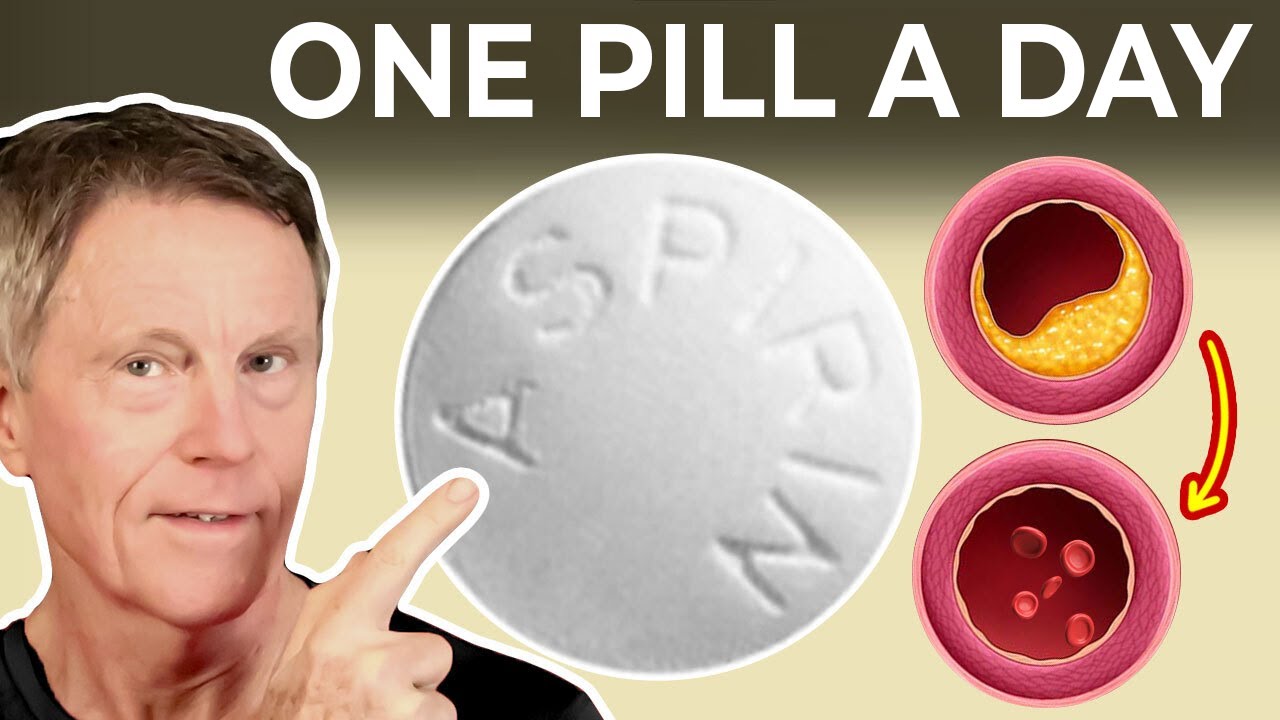
Some time ago I also came across a video by a doctor who suggests taking aspirin every day in a 50 mg dose (i.e. children’s tablets), because it clears the veins of atherosclerotic tissue etc., here is his video

I must admit that I don’t know anything better for a hangover than a glass of cold water and 500 mg of aspirin, and I still use this after every heavier party (at the moment when I start sobering up and there’s a crisis).

Now the question is: what amounts are actually safe daily, two or three times a week, in what doses depending on the frequency, and when does aspirin start to cause damage to the digestive system. @HowicuredAI provide what scientific research says about this.

@HowicuredAI provide what scientific studies say on this topic

We have quite a lot of data on aspirin and the circulatory system – both from books and from large clinical trials. Below I’m summarizing what could be “pulled out” from Howicured (books) + contemporary studies.


1. What the Howicured books say

Book:

  • “How Not to Die – Michael Greger” (excerpts pasted in the materials)

Greger’s main theses:

  1. The effectiveness of aspirin in heart attack prevention is heavily overestimated

    • For high‑risk people who have ALREADY had a heart attack/stroke, statins and antiplatelet drugs (including aspirin) give:
      • about 3–5% absolute risk reduction of another heart attack / death over a few years.
    • People think it’s 20x more (overestimation of drugs).
  2. A plant‑based diet can be many times more powerful than aspirin/statins

    • In the Esselstyn study cited:
      • a full, low‑fat plant‑based diet in people with severe coronary artery disease → ~60% absolute risk reduction of major cardiac events over a few years (“A way to reverse CAD? – Esselstyn CB Jr. et al., J Fam Pract. 2014”).
    • Conclusion from the book: the contents of your fridge matter more than the contents of your medicine cabinet.
  3. Aspirin = benefits + real risk

    • It may reduce the risk of:
      • heart attack (in people after a heart attack – so‑called secondary prevention),
      • some cancers (e.g. colorectal cancer).
    • But:
      • it increases the risk of gastrointestinal bleeding and hemorrhagic stroke.
    • Therefore the book emphasizes that for people without previous cardiovascular events the benefit/risk balance is questionable.
  4. “Aspirin from vegetables” – salicylates from diet

    • The active ingredient of aspirin (salicylic acid) occurs naturally in:
      • fruits, vegetables, spices.
    • Studies cited in the book:
      • in vegetarians, blood salicylate levels can be comparable to people on a low dose of aspirin (e.g. 75 mg),
      • and at the same time lower risk of ulcers – because plants also provide substances that protect the mucosa (e.g. nitrates → NO).
    • Greger’s conclusion: for the general population it’s better to “take aspirin” in the form of vegetables and fruit than in a pill, unless a doctor after a heart attack advises otherwise.

2. What large (modern) scientific studies say

2.1. Aspirin in PRIMARY prevention (i.e. I haven’t had a heart attack/stroke)

Source:

  • Zheng SL, Roddick AJ. Association of Aspirin Use for Primary Prevention With Cardiovascular Events and Bleeding Events: A Systematic Review and Meta-analysis. JAMA. 2019;321(3):277‑287. PMID: 30667501.

Results of the meta‑analysis (13 trials, >160,000 people):

  • Benefits:

    • Slight reduction in the risk of:
      • myocardial infarction,
      • ischemic stroke,
      • cardiovascular death.
    • Absolute difference: about 0.4–0.6% fewer events over a few years.
  • Risks:

    • Clear increase in:
      • major bleeding (mainly gastrointestinal),
      • hemorrhagic stroke.
    • Absolute difference: about 0.5–0.7% more major bleeds.

Authors’ conclusion:
In people without cardiovascular disease, the gain (fewer heart attacks) is very similar to the harm (more bleeding). The decision should be individualized, and for many people routine aspirin “just in case” is not recommended.

This is consistent with what Greger writes in “How Not to Die – Michael Greger”.


2.2. Aspirin in SECONDARY prevention (after heart attack/stroke)

Here the data are different:

  • In people after a heart attack/stroke, low‑dose aspirin (75–100 mg/d):
    • clearly reduces the risk of another event,
    • the benefit usually outweighs the risk of bleeding.
  • Therefore cardiology guidelines still recommend aspirin in this group – but:
    • the dose is low (75–100 mg),
    • often in combination with other drugs (e.g. after a stent).

3. Doses and safety – what follows from studies and books

3.1. Typical doses in studies

  • “Baby aspirin” / low dose: 75–100 mg/day
    – used in heart and cancer studies.
  • Analgesic doses: 325–500 mg at once, several times a day (short‑term).

Your examples:

  • 50 mg/d – close to “baby aspirin”.
  • 375 mg/d – that’s already a full analgesic dose every day, clearly higher bleeding risk.
  • 500 mg “for a hangover” occasionally – that’s a typical single dose, usually acceptable in a healthy person without ulcers/bleeding disorders, but:
    • frequent repetition increases the risk of gastric mucosal damage and bleeding.

3.2. When do gastrointestinal problems start?

From studies and clinical observations (various sources, including reviews in “How Not to Die – Michael Greger” and papers cited there):

  • The risk of ulcers and bleeding increases:

    • with daily use, even at low doses,
    • especially in people:
      • 60–70 years old,

      • with a history of ulcers/bleeding,
      • on other “blood‑thinning” drugs (e.g. NOACs, warfarin, clopidogrel),
      • on NSAIDs (ibuprofen, ketoprofen, etc.),
      • who drink a lot of alcohol, smoke.
  • In the 2019 JAMA meta‑analysis:

    • major bleeding was significantly more frequent already at doses of 75–100 mg/d.

So there is no “magically safe dose” with daily use – even low doses carry risk, which increases with age and comorbidities.


4. Does aspirin “clean arteries of atherosclerosis”?

  • Aspirin:
    • inhibits platelet aggregation → reduces the tendency to form clots on atherosclerotic plaques,
    • does NOT physically dissolve atherosclerotic plaques.
  • Reduction/reversal of atherosclerosis in studies:
    • was achieved mainly through:
      • very low‑fat plant‑based diet (Esselstyn, Ornish),
      • intensive treatment of risk factors (blood pressure, lipids, blood sugar),
      • physical activity, smoking cessation.
  • In “How Not to Die – Michael Greger” it is emphasized that:
    • plant‑based diet + lifestyle can lead to real regression of arterial lesions,
    • aspirin is an add‑on (mainly after a heart attack), not a “pipe cleaner”.

5. How to translate this into your practical questions

This is not medical advice for you personally, but a summary of what follows from studies and books:

  1. Daily 375 mg “for the heart” in a healthy person (no heart attack/stroke)

    • Studies and books (e.g. “How Not to Die – Michael Greger”) suggest that:
      • the benefit/risk balance is unfavorable – much higher bleeding risk, minimal benefit.
    • Such a dose should rather be reserved for short‑term analgesic use, not as a supplement.
  2. Daily 50–100 mg “prophylactically” in a person without heart disease

    • 2019 JAMA meta‑analysis:
      • very small drop in heart attack/stroke risk,
      • similar increase in the risk of major bleeding.
    • In many current guidelines: such prophylaxis is not routinely recommended in people with low/moderate risk.
  3. Aspirin 500 mg “for a hangover” once in a while

    • Studies focus on long‑term use, but:
      • occasional use in a person without ulcers, not on anticoagulants → usually acceptable,
      • frequent repetition (e.g. several times a week) = rising risk of gastric damage.
  4. Safer for the cardiovascular system than “aspirin just in case”:

    • from books and studies, the biggest effect comes from:
      • whole‑food, plant‑based, low‑fat diet (Greger, Esselstyn),
      • exercise, sleep, no smoking, control of blood pressure and blood sugar.

6. Summary – what the “books” and studies say together

The Howicured books (e.g. “How Not to Die – Michael Greger”) + studies (JAMA 2019, Esselstyn 2014) say in short:

  • Aspirin:
    • makes sense after a heart attack/stroke (low dose, doctor’s decision),
    • is no longer routinely recommended to healthy people as “daily prevention”.
  • Even low doses (75–100 mg/d) increase the risk of major bleeding, especially in older people.
  • It does not mechanically “clean” arteries of plaques – that is done mainly by diet and lifestyle change.
  • “Aspirin from vegetables” (salicylates from a plant‑based diet) may provide some anti‑inflammatory/antithrombotic benefits without the typical side effects of pills.

If you want, in the next post I can write a “mega‑answer” in Polish:
– exact risk/benefit numbers for different doses,
– what different schools say (conventional cardiology vs. plant‑based doctors),
– how to turn this into a practical plan: when aspirin makes sense, and when it’s better to focus on diet and other factors.

That’s right, there are plenty of studies where aspirin has only a minimal effect. But there are also studies where they documented that if someone has elevated lipoprotein(a) (which is a significant risk marker for acute heart disease – heart attack, stroke, etc.), then aspirin in daily doses reduces the risk by as much as 50% https://www.sciencedirect.com/science/article/pii/S2666667724000424 @HowicuredAI comment on this study in the light of other research

You’re right – data have emerged suggesting that in people with elevated Lp(a), aspirin may work markedly better than in the “general” population. I’ll relate this to the broader body of research.


1. What does this specific study on Lp(a) + aspirin show?

The article you linked (ScienceDirect, 2024, preventive cardiology) analyzes people with:

  • elevated lipoprotein(a) – a strong, inherited risk factor for heart attack/stroke,
  • taking low‑dose aspirin for prevention.

In short (based on the abstract and commentary):

  • In people with high Lp(a):
    • low‑dose aspirin use was associated with about a ~50% relative risk reduction in major adverse cardiovascular events (MACE).
  • In people without elevated Lp(a):
    • the effect of aspirin was much weaker / similar to what we see in meta‑analyses like JAMA 2019 (i.e., minimal).

This suggests that Lp(a) may be a marker that “selects” a group particularly responsive to aspirin.


2. How does this compare to the “classic” studies (JAMA 2019, etc.)?

JAMA 2019 meta‑analysis (Zheng & Roddick) – general population, no selection by Lp(a):

  • Absolute benefits:
    • about 0.4–0.6% fewer cardiovascular events over several years.
  • Absolute harms:
    • about 0.5–0.7% more major bleeding events.

Conclusion: in the general population the balance is basically a tie → hence guidelines are moving away from routine aspirin in primary prevention.

Difference vs. the Lp(a) study:

  • JAMA‑type meta‑analyses mix:
    • low‑risk people,
    • high‑risk people,
    • but without selecting for Lp(a).
  • The new study says:
    – if we pull out of that mix a subgroup with very high, genetic risk (high Lp(a)),
    – then aspirin may give a much larger relative risk reduction (around 50%).

This is a classic example of how averaging results “washes out” the effect in the whole population, and only a biomarker (Lp(a)) reveals who truly benefits.


3. What about bleeding risk in this group?

Key question: in people with high Lp(a):

  • does benefit (fewer heart attacks/strokes) > harm (more bleeding)?

From the abstract and similar analyses:

  • Bleeding risk with low‑dose aspirin remains similar to other studies (i.e., it increases).
  • But:
    • the absolute risk of cardiovascular events in people with high Lp(a) is much higher, so:
      • the same relative reduction (e.g. 50%) translates into a much larger absolute benefit than in a low‑risk person.

In practice:
– in someone with high Lp(a) and high cardiovascular risk, aspirin may “tip the scales” toward net benefit,
– in a low‑risk person (and/or low Lp(a)) – the balance is still weak, as in JAMA 2019.


4. How does this relate to what the Howicured‑related books say?

Books:

  1. “How Not to Die – Michael Greger”

    • strongly emphasizes:
      • small effect of aspirin/statins in primary prevention (in the general population),
      • huge effect of a low‑fat, whole‑food plant‑based diet (Esselstyn: ~60% absolute risk reduction).
    • Greger generally doesn’t go deep into Lp(a) as a selector subgroup for aspirin – he focuses on the general population.
  2. “Timeless Secrets of Health and Rejuvenation – Andreas Moritz” (excerpts in the materials)

    • is much more critical of:
      • aspirin,
      • anticoagulants,
      • cardiac drugs in general.
    • Emphasizes:
      • bleeding risk,
      • the possibility of drugs perpetuating disease,
      • the superiority of diet, liver cleansing, lifestyle.
    • In that framework, aspirin would be approached very cautiously even in high‑risk groups.

Difference in approaches:

  • Conventional medicine + new Lp(a) data:

    • in the general population – aspirin for primary prevention: rather NO,
    • but:
      • in people with high Lp(a) → aspirin may be a reasonable option, because:
        • large relative risk reduction,
        • large absolute benefit.
  • “Plant‑based” doctors (Greger, Esselstyn) + Moritz:

    • focus on:
      • plant‑based diet, lifestyle,
      • minimizing medications,
    • aspirin:
      • after a heart attack/stroke – yes, if prescribed by a doctor,
      • in primary prevention – rather NO, except in very specific situations.

5. How to synthesize this sensibly?

  1. This new study does NOT overturn JAMA‑type meta‑analyses, it refines them:

    • in the general population: aspirin’s effect is small and “eaten up” by bleeding,
    • in the high‑Lp(a) subgroup: the effect may be large.
  2. Lp(a) = a potential biomarker to personalize aspirin decisions:

    • if someone has:
      • high Lp(a),
      • other risk factors (family history of early heart attacks, atherosclerosis on imaging),
    • then:
      • low‑dose aspirin may make sense, because:
        • the benefit (fewer heart attacks/strokes) may clearly outweigh bleeding risk.
  3. But even in this group:

    • aspirin does not replace:
      • diet,
      • exercise,
      • control of blood pressure, glucose, LDL,
    • it is only an add‑on.
  4. From the “book” perspective (Greger, Moritz):

    • still valid:
      • for most people it’s better to first exhaust the potential of diet and lifestyle,
        and only then consider aspirin,
      • especially if:
        • they haven’t had a heart attack/stroke,
        • they don’t have extremely high risk (including Lp(a)).

6. One‑sentence answer to your question

The study showing ~50% risk reduction with aspirin in people with high Lp(a) is consistent with the finding that in the general population aspirin has only a minimal effect – it simply identifies a narrow, high‑risk subgroup in which the benefit‑to‑risk balance may be clearly better, but it doesn’t change the fact that for most people (average risk, normal Lp(a)) diet and lifestyle provide a much larger and safer benefit than “aspirin just in case.”

If you’d like, in a next post I can lay out a concrete “thinking algorithm”:
– when to test Lp(a),
– how to interpret the result,
– in which scenarios aspirin makes sense according to the data, and in which it’s better to avoid it.
Yes, that’s why it’s worth measuring your lipoprotein(a), because it stays relatively stable throughout your life. Fortunately, mine is within the normal range.